Rigid Glass Modules
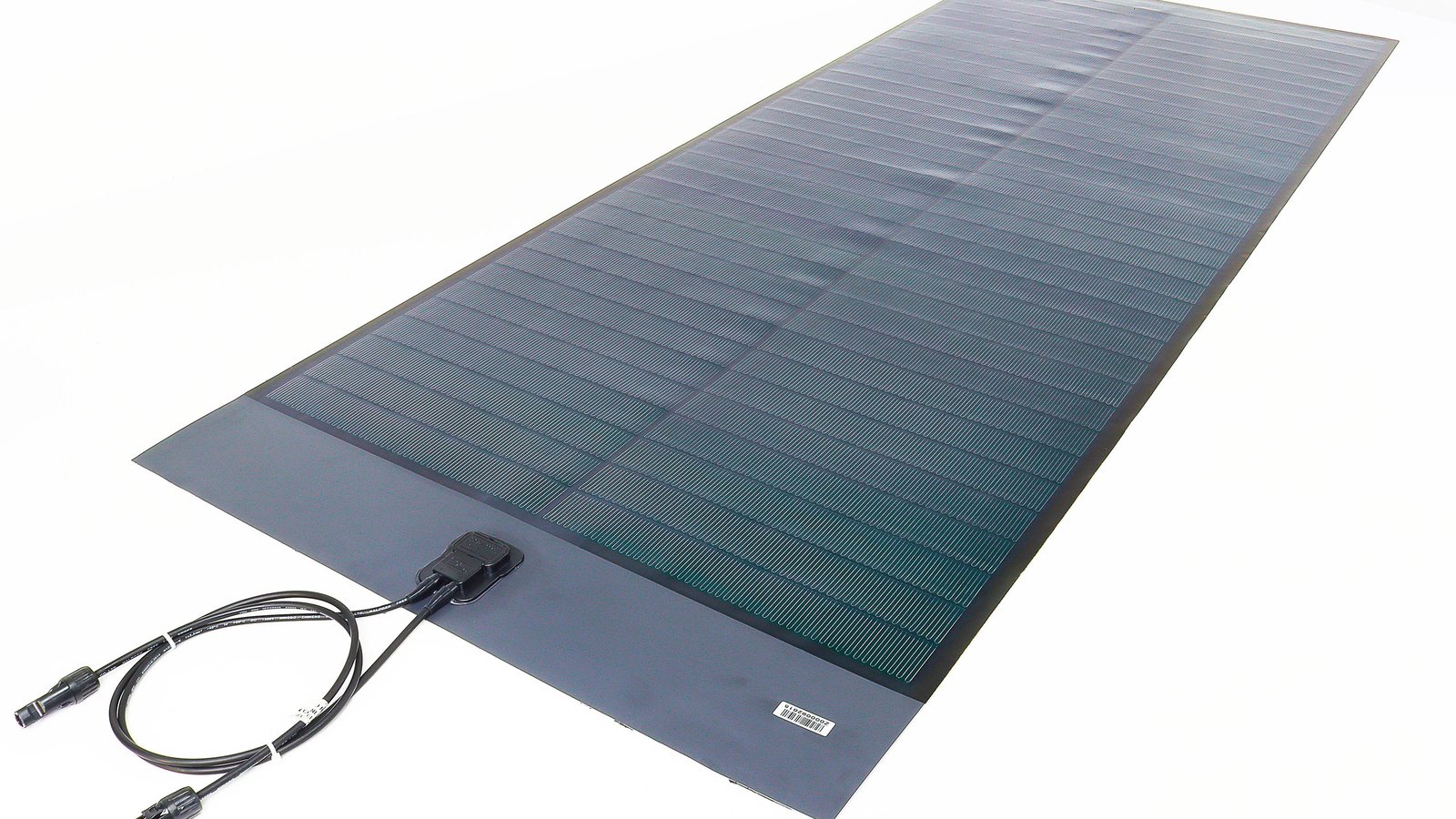
Tempered-glass modules in the frame sizes most projects are drawn around — the default specification for rooftops, ground mount and container-volume orders.
Solar OEM sourcing · Shenzhen, China
Sunfold Solar is the sales window into qualified solar OEM factories in Shenzhen — the lines that build flexible, portable, rigid and custom modules for brand owners. Send the requirement and we match it to the right factory, then quote at the production-line price.
Product range
Ordered by what we actually ship. Volume sits in rigid and custom crystalline modules up to 400W, ETFE flexible panels, semi-flexible and foldable formats, and portable solar bags. BC and CIGS sit above them on performance and price; perovskite is the newest route — in production, though not yet where mainstream volume sits. Buy the module alone, or take the whole kit as one shipment.
Highest volume, best cost per watt, shortest lead time.
Tempered-glass modules in the frame sizes most projects are drawn around — the default specification for rooftops, ground mount and container-volume orders.
Tempered-glass crystalline modules built to non-standard dimensions and wattages up to 400W — for rooftops, ground mount and OEM programmes that cannot use a catalogue size.
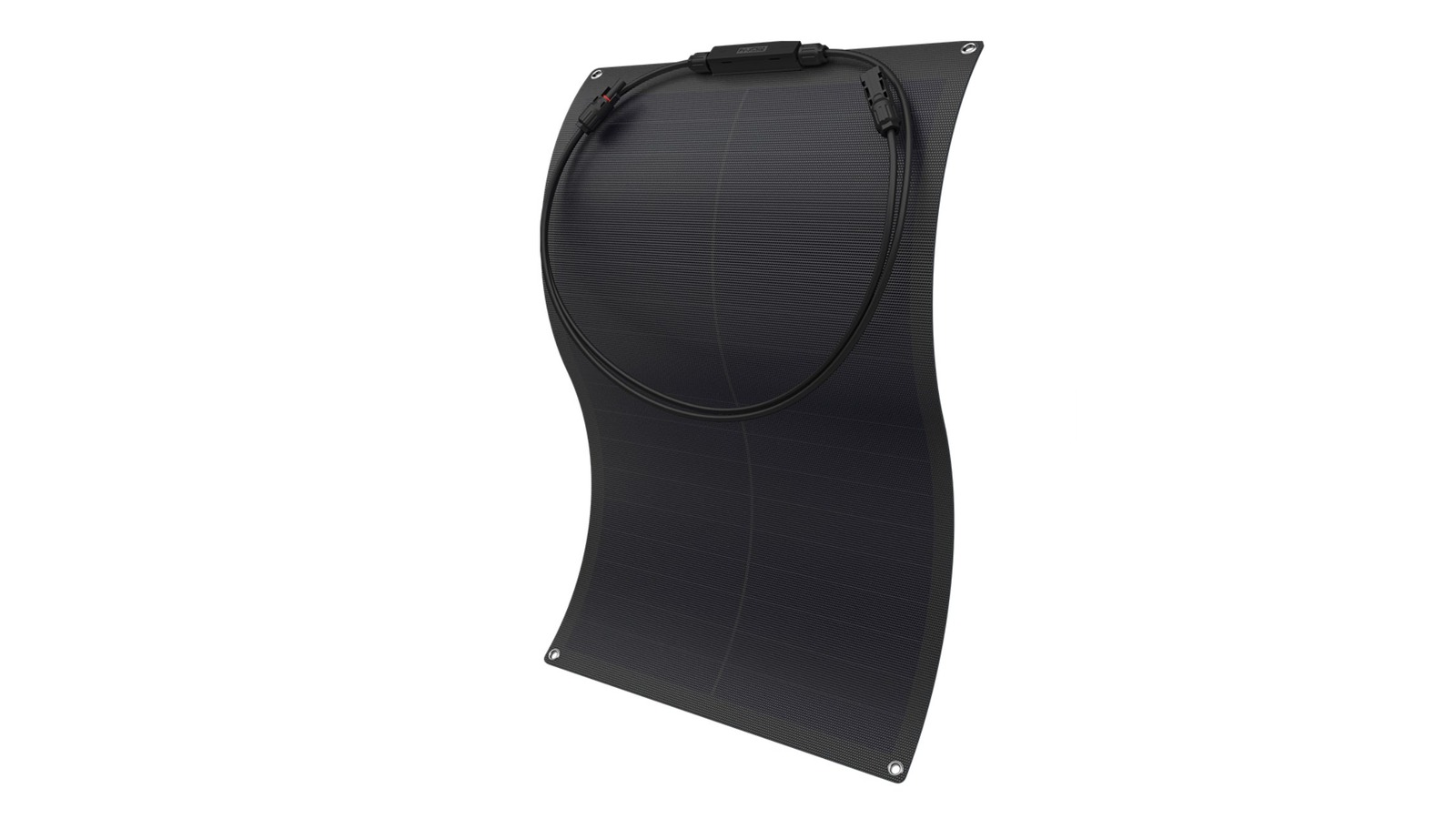
ETFE-laminated flexible modules that follow curved surfaces — RV roofs, yacht decks, balcony rails and irregular mounting areas where glass cannot go.
A thin frame over a bendable backing — sits flatter and looks neater on a roof than a loose flexible sheet, and still mounts without racking or drilled holes.
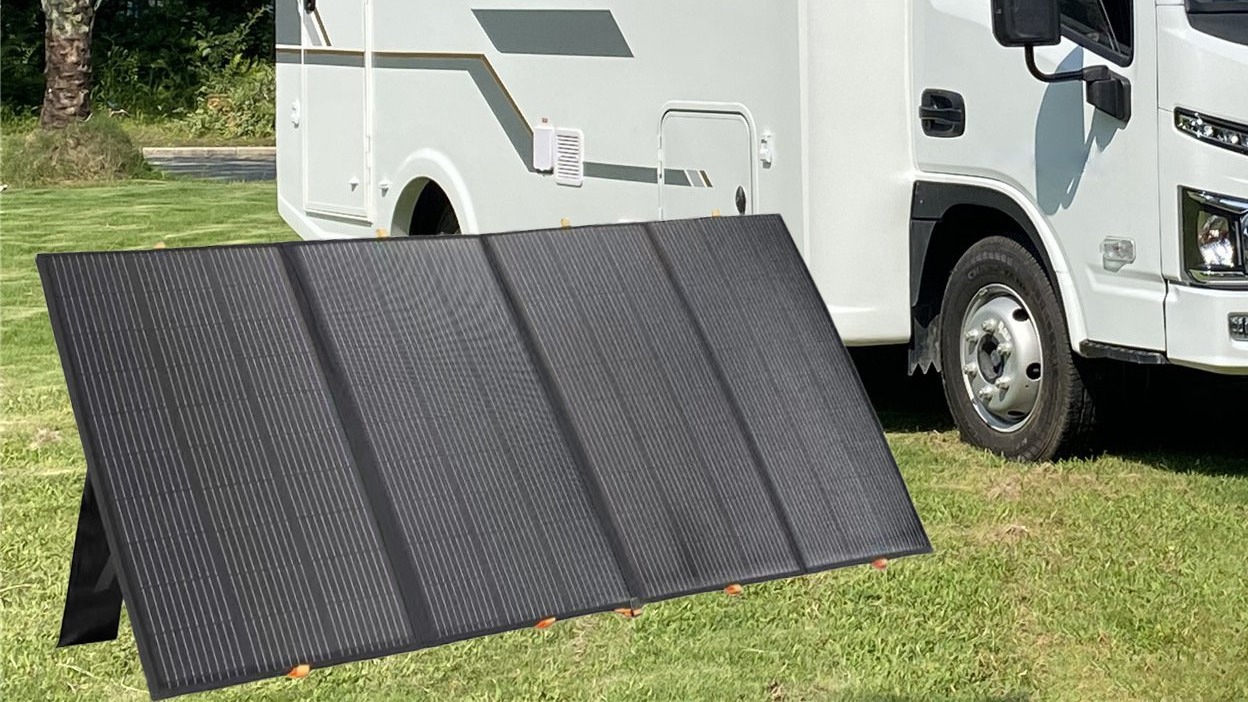
Two- to four-section folding formats that close into a flat pack — the version most brands put their own label on for camping, overlanding and emergency kits.
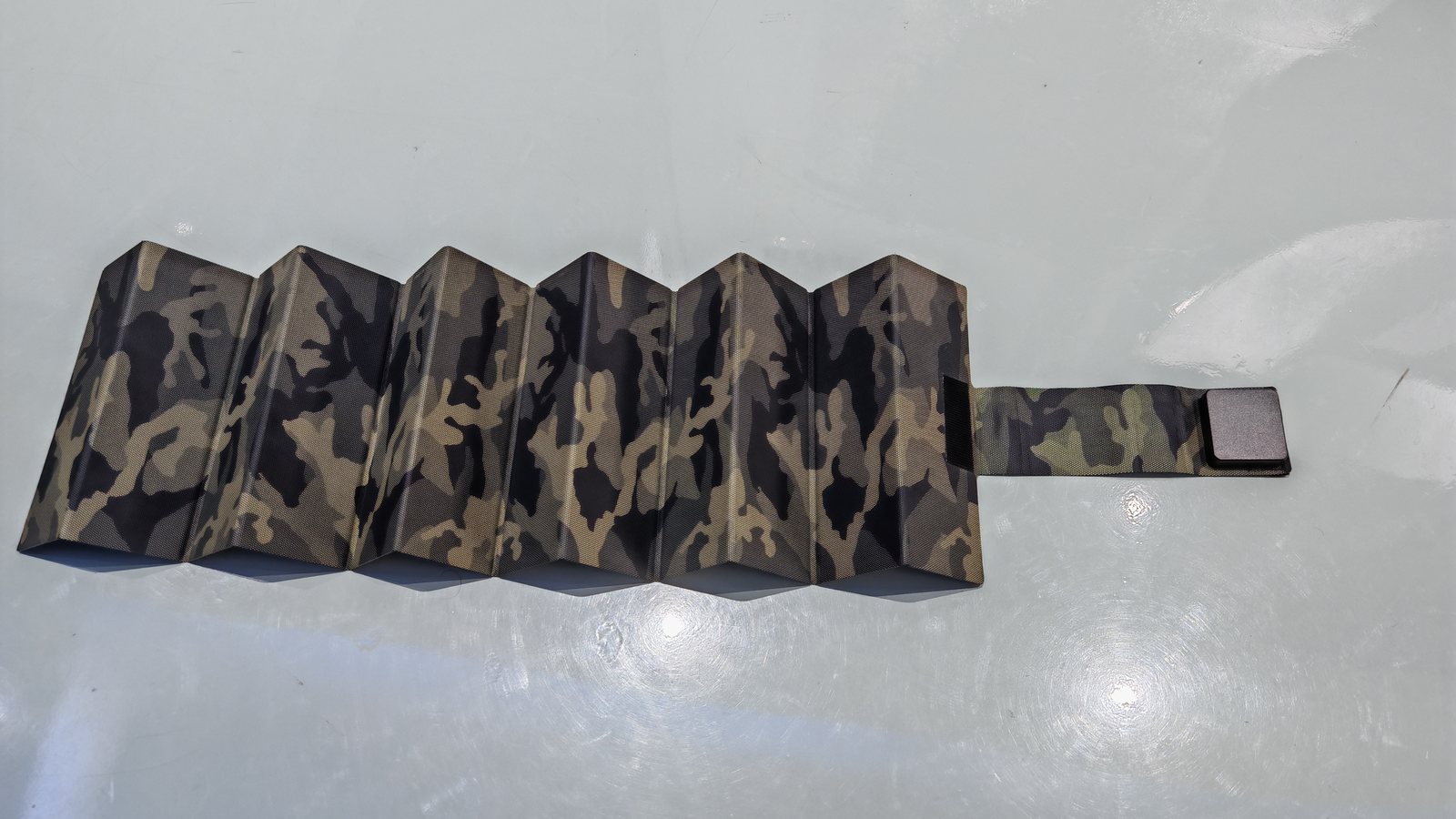
Folding panels that pack into a carry bag — sized to recharge the leading power-station brands, with the connectors your customers already own.
Higher efficiency or lower weight, at a premium price point.
Busbars moved behind the cell, leaving the front face uninterrupted. Higher efficiency than standard crystalline, with a clean all-black look for visible installations.
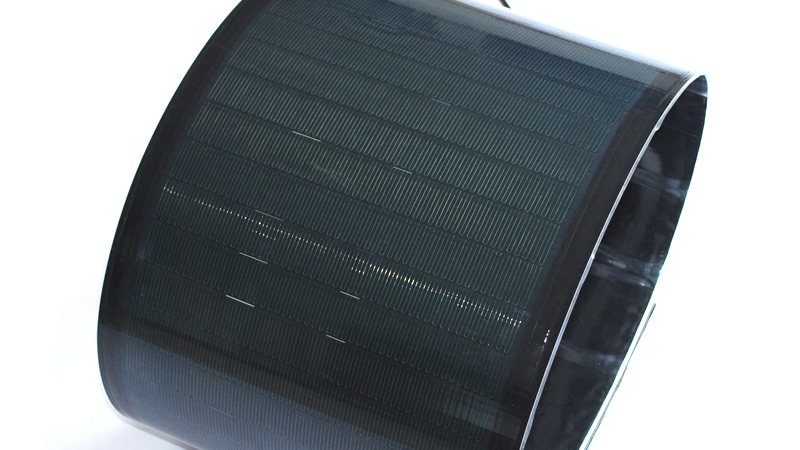
Thin-film on a bendable substrate. A fraction of the weight of glass, follows tighter curves than laminated panels, and holds output better in weak or angled light.
Next-generation thin-film with an exceptional power-to-weight ratio. In production at commercial volume — the market simply has not moved here in bulk yet, so it is specified where weight and form matter more than cost per watt.
The module comes from our factories. Everything around it is assembled to your specification.
The panel always comes from the producing factory. Charge controllers, inverters, batteries, mounting, cabling, connectors and retail packaging can be specified by you — bought from suppliers you already work with, or sourced by us on your behalf — then consolidated and shipped together under one set of export documents.
Useful when a project needs a working system rather than a pallet of panels: off-grid kits, RV and marine packages, telecom and monitoring stations, portable power bundles.
Non-standard dimensions, non-standard wattages, specific connectors and cell layouts. Any of the nine panel families above can be re-engineered against your spec, and kitted with the rest of the system.
Behind the panels
The panels are not made in one building. Flexible, crystalline and thin-film each come from a different specialist factory, and the factory is chosen on your requirement — not on what happens to be in stock.
ETFE lamination, edge sealing, junction-box potting and eyelet placement. The same line builds folding bags for portable-power brands, which is why the connectors match what your customers already own.
Stringing, layup, lamination, framing and EL inspection. Set up for non-standard sizes and 400W-class modules rather than a long run of one catalogue SKU.
Scribing, encapsulation and low-volume high-mix runs on a bendable substrate — the route for weight-critical builds and early-adopter projects.
We don't publish factory names on an open website — the brands they produce for expect that. Send the product and the destination market, and we send back the profile of the exact line that would run your order: what it builds, what certifications it holds, and when it was last audited.
Come and see the panels being made: the lamination, the EL test screen, a folding bag being opened and closed until you are satisfied. Tell us your travel dates and we arrange the plant tour, a technical meeting with the line's engineers, and a hands-on look at the panels you are considering, in the same visit. Buyers who come once tend to stop asking whether we are real.
Cell technology
Most suppliers sell what their single factory makes. We evaluate crystalline, BC, CIGS and perovskite side by side, then quote the route that fits your cost target and use case.
The dependable workhorse. Best cost per watt, proven longevity, and full freedom on non-standard sizes up to 400W.
Busbars moved behind the cell, leaving the front face uninterrupted. Higher efficiency and a clean, all-black look on visible surfaces.
Thin-film on a bendable substrate. A fraction of the weight of glass, follows curved surfaces without cracking, performs well in weak light.
Next-generation thin-film with an exceptional power-to-weight ratio. Produced at commercial volume, but adoption is still early — mainstream projects buy on cost per watt, not on weight.
Not sure which route fits your cost target? Send us the numbers and we will tell you which line fits →
Applications
Low-profile flexible modules bonded to curved roofs — no racking, no wind noise, no drilled holes through the membrane.
Corrosion-resistant construction and walkable surfaces, with custom voltages and dimensions for tight deck layouts.
Folding panels and solar bags sized to recharge the leading power-station brands — with the connectors your customers already own.
Reliable autonomous power for CCTV, IoT gateways, GPS trackers and communications sites where no grid exists.
Lightweight plug-in modules and compact kits for apartment railings and small urban systems.
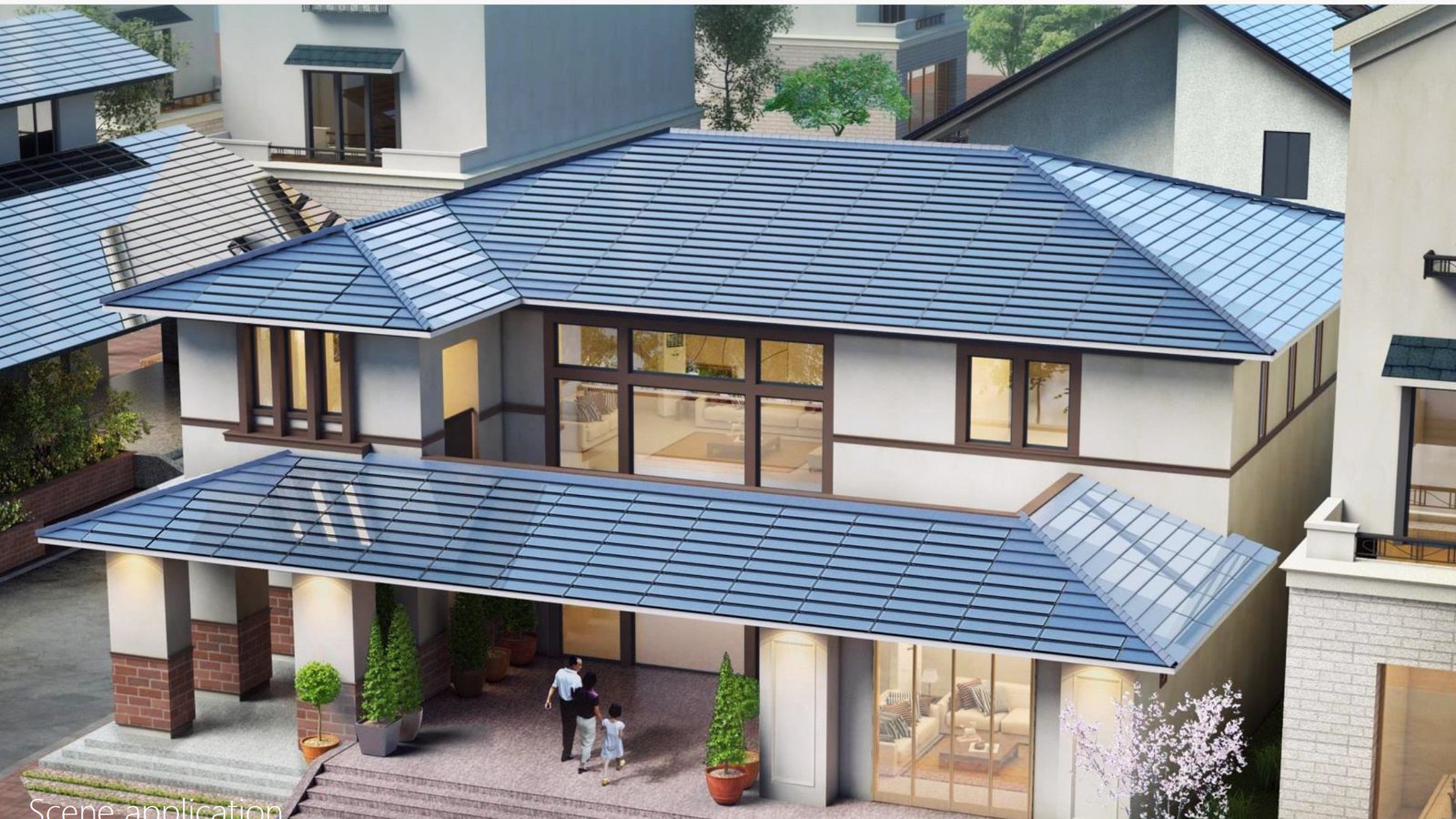
Custom-format modules designed into facades, canopies and building elements rather than mounted onto them.
Your case is not on this list? Describe it — we will tell you what the line would build →
Why Sunfold
We don't run a production line and we don't hold stock, so there is nothing of our own to push. The factory gets chosen after your requirement — not the other way round.
The factories we work with are OEM/ODM suppliers producing under other companies' brand names. Their process control and inspection already exist to pass a brand owner's audit — that is the standard your order inherits.
The price comes from the line that will actually run your batch, and we tell you which factory and which line it is. One step from production, not a stack of agents each taking a cut.
Flexible and foldable panels are our main line, not a side catalogue. That is where our engineering depth sits.
We have no capacity of our own to fill. If a different factory or a different cell technology is the cheaper answer for your project, that is what we quote.
No stock list to clear. Module size, wattage, cell layout and junction position are configured against your drawing and your certification target.
The most cost-effective build we can find for your spec — priced at the line, with the factory named in the quotation before you commit.
Modules in our standard range carry CE marking. Declaration of Conformity, test reports and material declarations are available for review on request. Send us the destination country and we confirm what the producing line can supply before you place the order.
About
Sunfold Solar is the brand. Shenzhen Zhituo Software Co., Ltd. — registered in 2019 — is the sales window behind it. The panels are built by specialist solar OEM factories that produce under other companies' brand names; our job is to match your requirement to the right one of them, and to get you the line price rather than a resale price.
Those factories already work for brand owners, so their process control, incoming-material checks and outbound inspection exist to pass someone else's audit. What they cannot do is compare themselves against four competitors on your requirement. That is the part we add: one requirement, several lines, and an honest answer about which one gives you the better result for the price you are targeting.
In practice: you send the application, wattage, dimensions, certification and volume. We come back with one recommended configuration, the factory behind it, and the price at the production line. The contract can be signed with the factory directly, or with us as the sales window if you prefer one supplier for the whole order — either way the price comes from the same line, and the factory is named before you commit. If two routes are close, we show both and say which we would pick, and why.
Our registered business scope covers software and IT services, wholesale and retail of electronic products, and import & export trade — which is what lets us contract, invoice and ship on behalf of the lines we work with.
You sign the sales contract with the factory and pay the factory. We stay on the project as coordinator — specification, sampling, QC and shipment — and the factory carries the invoice and the warranty.
You sign and pay one supplier for the whole order, and we handle export documentation, inspection and logistics against a single PO. Same producing factory, fewer moving parts on your side.
Both routes are quoted from the same production line. Choose by payment terms, documentation and however your company prefers to approve a purchase.
Get in touch
Tell us the application, the wattage you need and the certification the project requires. We reply with the matched product, the factory behind it, and a price. If you are travelling to China, say so and we will plan a factory visit around your dates.